How I use Obsidian as my second brain
Everything goes into one Obsidian vault: whatever is on my mind, and whatever I collected over the years in other tools. I link notes to each other and write down my conclusions. AI helps me with the upkeep, which is the part that used to make me give up.
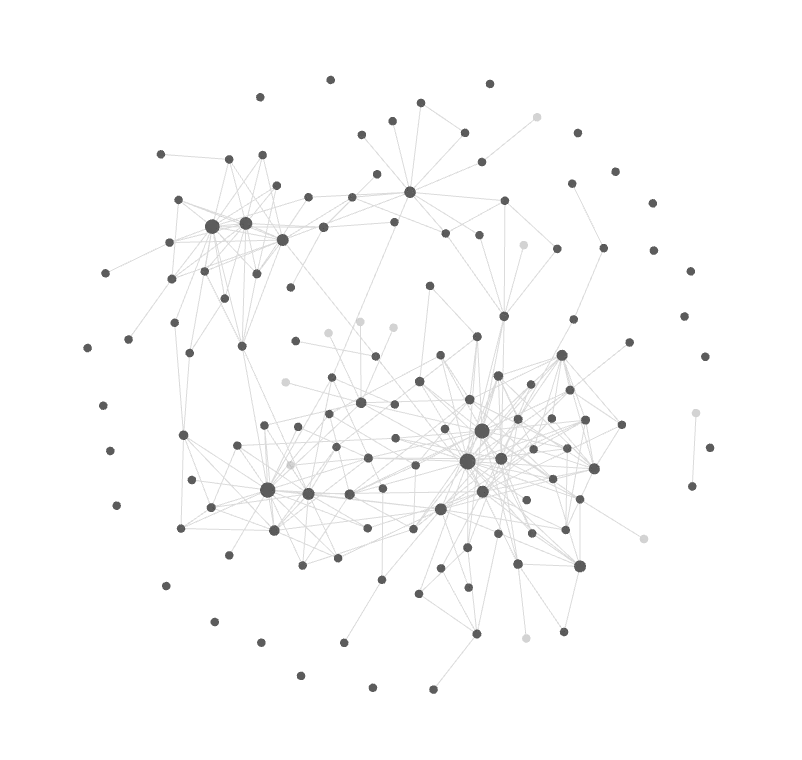
What goes in
- Projects. Things I’m building, such as my own harness.
- Areas. Responsibilities with no natural end that I still look after, such as growing my software architecture skills.
- Knowledge. Split in two: what someone else said, kept with its source, and my own synthesis.
- Events. Conferences, workshops and meetings, both ones I’ve attended and ones still ahead.
- People. Notes on interesting people who bring something into my life.
- Inbox. Ideas in no particular form. The point is to get them out of my head quickly, then process them later: file them or throw them away.
Where the structure comes from
No single method. I took what works for me from PARA, Zettelkasten, evergreen notes and Maps of Content, and joined it together.
Absorb what is useful, discard what is useless, and add what is specifically your own.
The quote is attributed to Bruce Lee. It describes the approach well.
What it has changed
There is more room in my head and I feel calmer. Most of all, I no longer freeze over where something should be written down.
What I’m watching
Moving notes over from other places takes a lot of time right now. It is absorbing in itself, which is a warning sign: note-taking must not become my full-time job. My intuition says it will be worth it. Time will tell.